SaferCar
- 3.8
- Rating
- 100.00K
- Installs
- Free
- Price
 Analysis by App-foxy
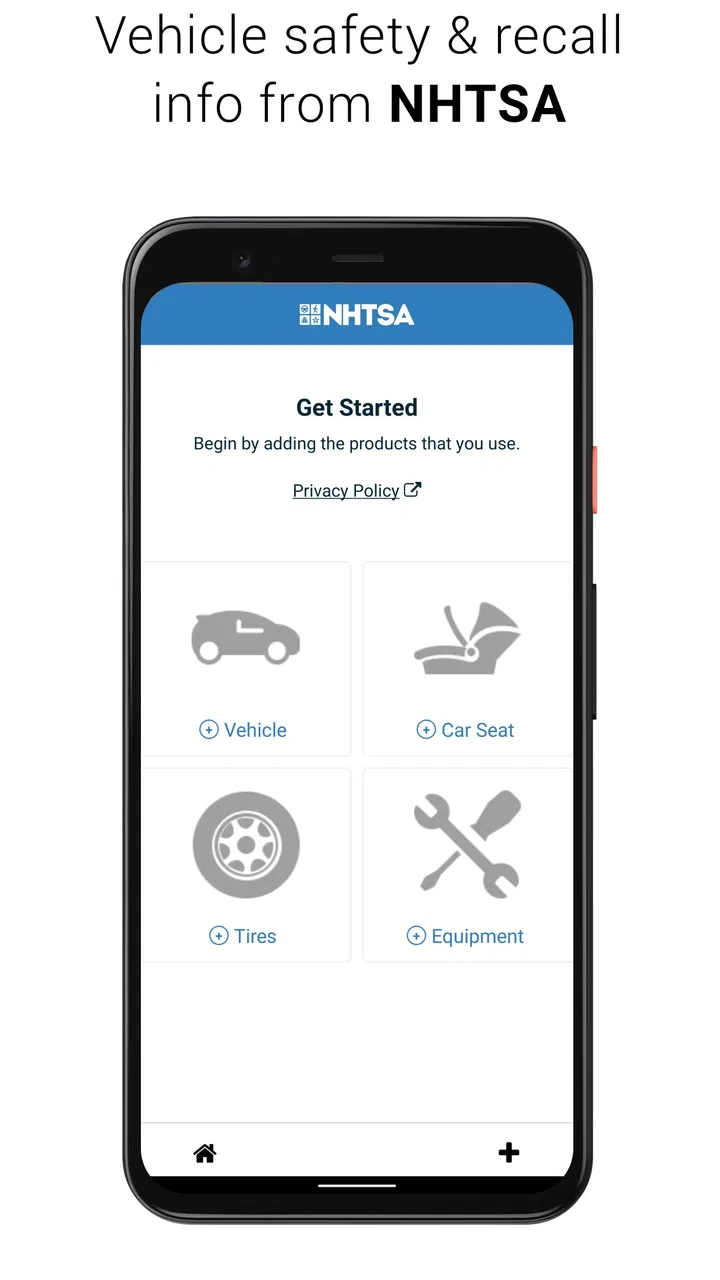
When I look at SaferCar, I see a focused safety tool rather than another general driving companion. Developed by the National Highway Traffic Safety Administration, this free Auto & Vehicles app puts vehicle safety and recall information in a place I can check from my phone. That narrow purpose is also its biggest strength: it is designed to help me notice a safety issue connected with a vehicle before I treat an old message, a used-car listing, or a dashboard warning as something harmless.
I would recommend it to anyone who buys used cars, owns more than one vehicle, or wants a straightforward way to keep recall information close at hand. It is available for Everyone, supports devices running Android 7.0 or later, and has reached over one hundred thousand installs. Its average rating is 3.9 from around four hundred ratings, which feels consistent with an app that can be genuinely useful while still being more practical than polished.
One important capability: checking vehicle safety and recall information
The central job here is simple: SaferCar gives me access to safety and recall information from NHTSA. That matters because a recall is easy to overlook when it arrives through a manufacturer notice, gets lost after a move, or concerns a vehicle I purchased second-hand. Instead of relying only on memory or on a seller's reassurance, I can use an official safety-focused source as part of my ownership routine.
You May Also Like

 Google Keep - Notes and lists
Google Keep’s Quiet Growth Shows the Appeal of Simpler Notes
As mobile work gets busier, Google Keep keeps winning a simple contest: capture a thought quickly, find it later, and get on with the day.

 Blood Strike: 2.5 Anniversary
Blood Strike’s Loadouts Turn Every Drop Into a Tactical Gamble
A close look at Blood Strike’s custom loadouts: how fast access to signature weapons reshapes its battle royale rhythm, rewards preparation, and narrows the gap between fights.

 Pandora - Music & Podcasts
Pandora’s Music Is Easy to Start, but Harder to Recover
Pandora’s strength is its low-effort path from a seed to a station. Its weak spot is how much confidence it asks you to place in connection, setup, and quiet recovery.

 8 Ball Pool
 Is Built on Rivalries, Rematches, and Routine
A close look at the rivalries, rematches, shared routines, and unanswered safety questions that turn a quick pool match into a persistent mobile community.

 Samsung Music
’s Quiet Strength Is Playing What You Already Own
Its reach comes less from spectacle than from dependable access to a personal library. That simplicity is both the app’s strongest retention engine and its ceiling.

 AccuWeather: Weather Radar
AccuWeather Review: A Quick, Clear Forecast for Everyday Decisions
For everyday plans, the best forecast is the one you can understand quickly. AccuWeather makes rain timing, radar, and local conditions easy to act on, with a few trade-offs.
More From Our News Desk



The real value is not that the app replaces a mechanic. It does not turn a phone into a diagnostic scanner, and I would not use it to decide whether a strange noise is safe to ignore. Its value is earlier in the process. It helps me ask a better question: is there a known safety issue connected with this vehicle that deserves attention? That question can change what I do next, whether the answer is contacting a dealer, checking paperwork, arranging an inspection, or delaying a purchase.
I also like the distinction between general vehicle advice and recall information. A search engine may return forum posts, repair advertisements, or old articles mixed with current material. A manufacturer page may be useful for a specific brand, but it is not always the first place I think to look when comparing several vehicles. SaferCar is more useful when I want a safety-oriented starting point rather than a broad collection of driving content.
For a used-car buyer, this capability has a practical effect before money changes hands. I can check the vehicle as part of the viewing process instead of waiting until after registration. A clean-looking car can still have an unresolved safety campaign, while a seller may simply be unaware of it. That does not automatically make the vehicle a bad purchase, but it gives me a concrete issue to discuss and verify.
Why this is more useful than a one-time search
A normal web search is often good enough when I already know exactly what I need. The problem is that vehicle safety is not always a one-time question. Ownership changes, used vehicles move between people, and a recall notice can be missed. Keeping a dedicated safety app available makes checking feel more like a repeatable habit than an emergency search.
My preferred approach would be to use it at three moments: before buying a used vehicle, after taking ownership, and before a long trip if I have not checked in a while. Those checks take less mental effort than reconstructing a vehicle's history from scattered paperwork. The app is particularly helpful for households with several cars, because it gives me a single place to think about safety information rather than relying on whichever manufacturer site I last visited.
There is also a useful psychological benefit. Vehicle problems are easy to postpone when they are vague. A recall lookup turns that vague concern into a more specific follow-up task. If the information points to an issue, I know I need to contact the appropriate service channel. If I am shopping, I know I should ask for evidence that the issue has been handled. The app does not complete that process for me, but it makes the first responsible step easier.
How I would use SaferCar in practice
I would begin with the vehicle information I have available and treat the result as a checkpoint, not a final mechanical verdict. The most important habit is accuracy. When I am checking a car, I would carefully compare the vehicle details I enter or select with the paperwork and the actual vehicle in front of me. A small mistake at this stage can lead me to examine the wrong information, so rushing defeats the purpose.
Once a possible recall appears, I would read it as a safety lead. I would note what part or condition is involved, consider whether the vehicle is currently being driven, and then contact the manufacturer or an authorized service provider for the next step. I would not assume that opening the app marks a repair as complete. The app helps me find and understand the concern; the repair process still belongs with the relevant automotive professionals.
This is one of the less obvious trade-offs of official recall information: it is excellent for identifying a known campaign, but it is not the same as a complete service history. A vehicle may have wear, accident damage, maintenance needs, or a warning light unrelated to a recall. I would pair the app with a pre-purchase inspection and service records when buying a used car. That combination is much stronger than treating any single source as proof that a vehicle is fully safe.
I would also keep the app in the role of a reference tool rather than using it while driving. Safety information is something I should check when parked, at home, or during a planned stop. That sounds obvious, but the best safety app can still become a distraction if I try to investigate a notice behind the wheel. The sensible workflow is to check first, save the details I need mentally or in my notes, and handle calls or repairs later.
The current version is 1.4.4, and the app was released on August 10, 2020. Those details suggest a product that has been available long enough to establish a clear purpose, but I would still judge it by whether it gives me a smooth path from a vehicle question to a sensible next action. I do not need a crowded dashboard here. I need readable information and a process I can understand without automotive expertise.
A realistic everyday scenario
Imagine I am meeting someone to view a used family car after work. The vehicle looks clean, the interior is tidy, and the owner says it has been dependable. Before I agree to anything, I use SaferCar to check its safety information while I am parked. The result does not replace a test drive or inspection, but it gives me another piece of evidence.
If I find a recall, I would ask whether the repair was completed and request supporting documentation or a clear plan for handling it. If the seller cannot answer, I would factor that uncertainty into the purchase rather than discovering it later. I might still proceed if the issue can be resolved properly, but I would not confuse a low price with a solution. In this situation, the app's effect is not dramatic; it simply prevents an important question from being skipped.
Now consider a different case. I own a car that has been parked for several months while I used public transport. Before taking it on a long journey, I check its safety information and then arrange a basic inspection. The app cannot tell me whether the battery, tires, brakes, or fluids are ready after sitting, but it can remind me that known safety campaigns deserve attention too. That division of responsibility is exactly how I would use it: recall awareness from the app, physical condition from a qualified inspection.
How it compares with the usual alternatives
The closest alternative is visiting a manufacturer's website or contacting a dealership. Those options can be better when I already need a repair appointment, want brand-specific support, or need a service department to confirm the status of a particular vehicle. SaferCar is more convenient at the discovery stage because it keeps my first question centered on vehicle safety rather than sales, parts, or appointment scheduling.
A general search engine is faster for broad research, but it can make me sort through outdated pages and unofficial explanations. SaferCar is preferable when I want a focused safety check. On the other hand, a search engine may be more useful when I am trying to understand symptoms, compare repair experiences, or find local services. I would not expect this app to replace those broader tools.
Vehicle-history services are another comparison point. They may help me investigate ownership, reported damage, or mileage-related concerns, depending on the service, but that is a different job. SaferCar is not my choice for reconstructing a car's entire past. Its strength is the known safety and recall angle. For a serious purchase, I would combine the two kinds of research rather than choosing one and ignoring the other.
A mechanic remains the better option when I need a physical diagnosis. If the steering feels loose, the brakes pulse, or a warning light appears, I want professional attention regardless of what the app shows. This is an important boundary: a vehicle can have no relevant recall and still be unsafe because of maintenance, damage, or ordinary wear. SaferCar improves my information, not the condition of the car itself.
Trade-offs I noticed before making it part of a routine
The focused design can feel limited if I expect a complete ownership assistant. I would not open it looking for fuel tracking, route planning, insurance management, repair estimates, or a full maintenance calendar. Keeping those expectations in check makes the app easier to appreciate. It is a specialist tool, and the narrow scope is preferable to pretending that a single app can manage every part of vehicle ownership.
Another point of friction is the difference between finding a recall and resolving it. A result can create a useful sense of urgency, but I still have to make the call, schedule the work, and confirm that the repair was completed. Someone expecting a one-tap fix may find the experience incomplete. I see that less as a flaw in the idea and more as a reminder that safety information is only the beginning of the process.
I would also avoid treating a reassuring result as a certificate of quality. The app's information is valuable precisely because it addresses known safety matters, but known matters are not the whole vehicle. A professional inspection remains essential for an expensive used-car decision, especially when the seller has limited records or the vehicle has visible signs of neglect.
The rating of 3.9 indicates a generally positive but not universally enthusiastic reception. I can understand why. A person who needs a recall check may find the app immediately worthwhile, while someone expecting a rich automotive dashboard may see it as too narrow. My own judgement falls between those views: its usefulness is high when the question is right, and modest when the question is anything else.
It is free, which removes the biggest barrier to using it as a precautionary check. I would still spend a little time learning where the relevant vehicle information is found before I am standing beside a seller's car. Preparing the paperwork and checking details calmly is more reliable than trying to solve an unfamiliar lookup under pressure.
Small habits that make the app more effective
First, I would make the lookup part of the buying checklist rather than an afterthought. I would check before negotiating, then keep the result in context with the inspection and ownership documents. This prevents a seller's confidence from becoming my only evidence.
Second, I would use the app before a major trip when a vehicle has changed hands recently or has been sitting unused. That timing is useful because it leaves room to deal with a concern before departure. It is not a substitute for checking tires and fluids, but it adds a safety-specific question many drivers forget.
Third, I would separate “recall found” from “repair completed” in my own notes. Those are different stages, and confusing them can create false reassurance. After contacting the appropriate service provider, I would keep whatever confirmation I receive with the vehicle records. This simple distinction is one of the most important practical lessons from using a recall-focused tool.
Finally, I would check every vehicle separately in a multi-car household rather than assuming that the same model year means the same status. The app is most useful when I treat each vehicle as its own case. That is especially important when cars have different histories, owners, or repair records.
Who gets the most value from SaferCar?
Used-car shoppers are the clearest audience. The app gives them an official safety checkpoint before they commit to a vehicle, and it helps turn a vague question about recalls into a specific conversation with the seller or service provider. I would consider it particularly worthwhile for a first-time buyer who may not know which questions to ask.
It is also a good fit for families managing several vehicles, people who recently inherited or received a car, and owners who have moved and may no longer receive every paper notice. In those situations, the app's value comes from making safety information easier to revisit. It is also useful for cautious drivers who prefer to verify rather than assume that an older vehicle's issues have already been handled.
People who should skip it are those looking for a full mechanic-in-your-pocket experience. If my main goal is navigation, fuel economy, service reminders, tire-pressure monitoring, or detailed vehicle diagnostics, I would choose a different category of app. Likewise, if I already have a trusted professional handling a complete inspection and recall process, SaferCar may be a secondary convenience rather than an essential tool.
My final view is positive, with a clear condition: I would use it as an early-warning and research aid, not as a complete safety certificate. The National Highway Traffic Safety Administration gives the app a credible purpose, and its free access makes checking easy to justify. It does not need flashy extras to be useful. When I am buying a used car, preparing for ownership, or trying not to miss a known safety issue, SaferCar gives me a sensible first step. Just remember that the best result is not the end of the process; it is the reason to follow up responsibly.
For me, that is the app's strongest contribution. It changes recall checking from something I might postpone into a small, repeatable part of responsible vehicle ownership. The experience is not designed to replace a dealership, a mechanic, or careful judgement, and it should not be used that way. Used within those limits, SaferCar is a practical free companion for anyone who wants official vehicle safety information close at hand.
FAQs for SaferCar
01What is SaferCar and how does it work?
SaferCar is a comprehensive app developed by the National Highway Traffic Safety Administration (NHTSA) designed to enhance vehicle safety. It provides users with critical information about recalls, safety ratings, and complaints related to their vehicles. Simply enter your Vehicle Identification Number (VIN) to receive customized updates and alerts, ensuring your car remains safe on the road.
02Is the SaferCar app free to use?
Yes, the SaferCar app is completely free to download and use. It is available on both Android and iOS platforms. The app does not charge for providing updates or alerts related to vehicle safety and recalls, making it an essential tool for car owners who prioritize safety without incurring additional costs.
03How often does SaferCar update its information?
SaferCar updates its information regularly to ensure users receive the most current data on vehicle recalls, safety ratings, and complaints. The app pulls information directly from the NHTSA’s database, which is continuously updated. Users are advised to check the app frequently for the latest alerts and updates specific to their vehicles.
04Can I track multiple vehicles with SaferCar?
Yes, SaferCar allows users to track multiple vehicles by entering the VINs of each car they want to monitor. This feature is particularly useful for families or individuals who own multiple vehicles, as it provides customized safety information and alerts for each vehicle, helping ensure all cars remain safe and compliant.
05What kind of alerts does SaferCar provide?
SaferCar provides several types of alerts, including recall notices, safety ratings updates, and consumer complaints related to specific vehicles. These alerts help users stay informed about potential safety issues, allowing them to take prompt action if necessary. The app ensures that users receive timely notifications to maintain their vehicles' safety standards.
Pros
- User-friendly interface enhances navigation.
- Real-time recall notifications are invaluable.
- Comprehensive vehicle safety ratings provided.
- Easy access to safety guides and tips.
- Supports multiple vehicle monitoring.
Cons
- Limited to U.S. vehicles only.
- No offline mode for remote areas.
- Occasional app crashes reported.
- Lacks detailed vehicle history.
- Notifications can be overwhelming.

SaferCar
Gallery